Gain a competitive advantage by tracking how your audience implicitly perceive your brand over time.
What Is Brand Tracking?
Brand Tracking is a continual measurement of a brand’s perception over time.
Monitoring brand perception allows brand managers to understand how certain events, such as launches, campaigns, or new products, have affected their brand equity and brand trust. By monitoring these changes in perception, brand managers can adjust their marketing and communication strategies to better align with consumer expectations and preferences.
Ultimately, brand tracking allows for more power and control by delivering a bigger picture and a better understanding of your brand.
When combining brand tracking with the power of implicit testing methods, this combination delivers even more meaningful and accurate insights.
Brand Tracking With Implicit Association Testing
Brand tracking, especially when combined with implicit testing methods, is a game-changer for maintaining consumer trust and enhancing brand perception.
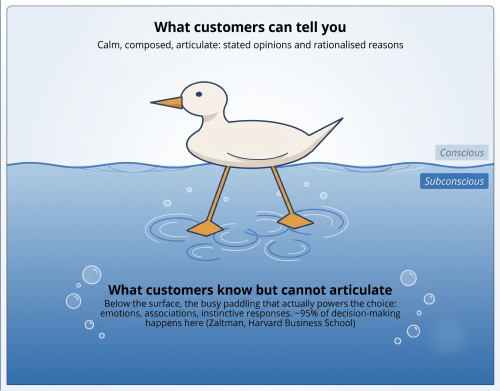
Implicit testing delves into the subconscious attitudes and feelings of consumers, providing deeper insights than traditional surveys or explicit feedback. By continuously monitoring how customers implicitly perceive your brand over time, you can uncover hidden strengths and weaknesses, anticipate market shifts, and make data-driven decisions that resonate with your audience.
This proactive approach not only helps in fine-tuning marketing strategies but also in fostering a reliable and trustworthy brand image, ultimately leading to higher conversion rates and stronger customer loyalty.
Split Second Research can provide you with your own implicit brand tracking platform that is affordable and user friendly.
Get In Touch
Contact our friendly expert team to discover how implicit brand tracking can work for you.
Tracking Your Brand's Success
Brand managers play a crucial role in the success of a brand by monitoring and analysing how their brand is perceived in the market. By tracking the perception of the brand over time and during specific key periods, they can gain insights into the factors that influence its perception.
For instance, brand managers can analyse whether specific events, such as product launches, advertising campaigns, or public relations crisis, have affected the way their brand is perceived by consumers. By monitoring these changes in perception, they can adjust their marketing and communication strategies to better align with consumer expectations and preferences.
Furthermore, brand managers can also identify seasonal effects that impact their brand’s perception. For example, some products may be more popular during certain times of the year, such as holiday seasons, while others may experience fluctuations in demand due to changing trends or preferences.
Great things can happen in a split-second
Start A Conversation
Complete an enquiry form to arrange a meeting with us:
Our blog

Your Customers Know More Than They Can Tell You
Every year, thousands of new products launch on the back of research that said they would succeed. Concept tests came back positive. Focus groups nodded along. Survey respondents said,

In Memory Before the Video Played: Measuring the Impact of a Telecom Brand’s Serie A Sponsorship
Sponsorship ROI is one of the most contested measurement challenges in marketing. When a brand invests in the

Crossing the Atlantic: How a Five-Platform Pack Testing Study Identified the Right Design for a US Market Launch
A product that performs well in one market does not automatically translate to another. The visual language of packaging, the colours that signal quality, the