Choosing a Brand Name Through Implicit Insight
Naming a brand is harder than it looks. A London-based branding agency was restructuring and needed a new name, one that could carry real meaning across six brand values and
CASE STUDY
How Price Promotions Impacted
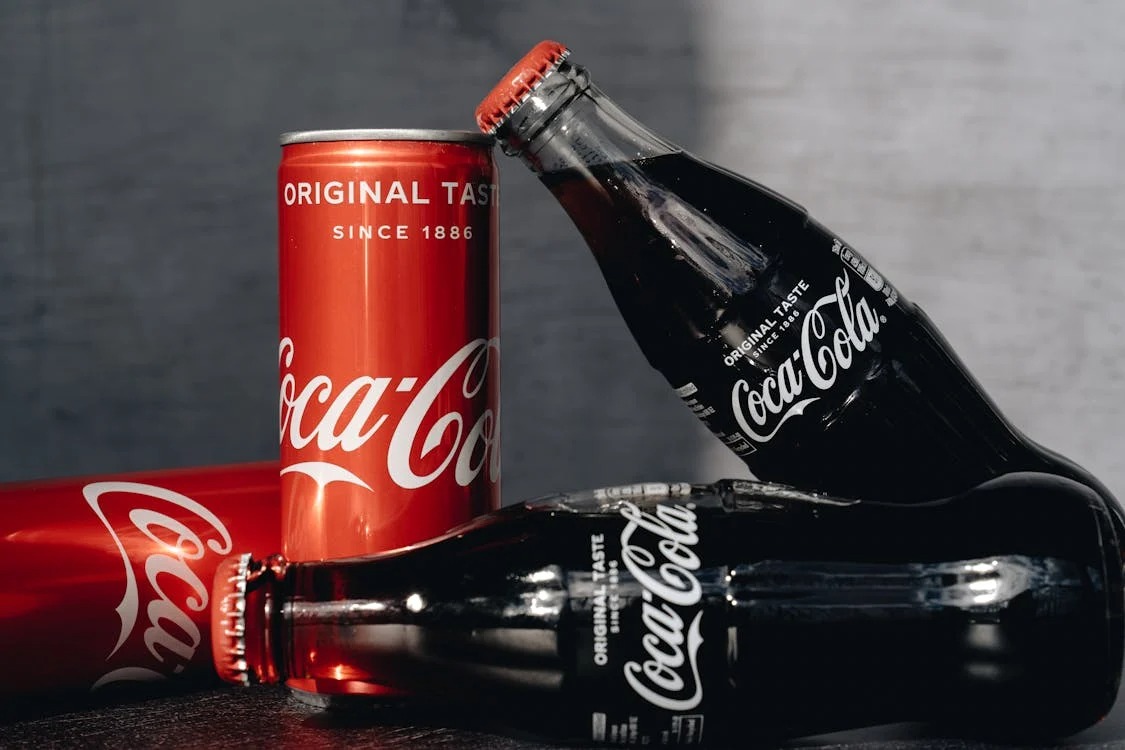
Coca Cola’s Brand Perception
Coca-Cola have historically been resistant to promotions for fear that they can adversely affect their brand.
However, Coca Cola’s previous market research and planning had suggested that consumer behaviour in Greece was heavily based on promotions. The research suggested that customers in Greece preferred price discounts more than other forms of discounts (such as volume offers, free gifts, competitions, mixed product offers, and so on). Because of this research, Coca-Cola implemented price discounts into their strategy.
However, their sales figures were not growing as expected, leading them to question their strategy. Coca-Cola wished to evaluate a broad range of promotional mechanisms for its SSD range and its Juices range.
The key question was: which mechanisms would drive volume, frequency of purchase, and penetration, but still build brand equity?
Split Second Research evaluated over 90 promotional mechanisms using a mixture of traditional survey questions (our EXPRESS tool), explicit forced-choice attribute assignment tests (our FAST tool), and implicit association response tests (our IMPRESS tool).
When consumers were asked using traditional, explicit methods, they reported that out of all the offers, they preferred price-offs. They also said they prefer offers where they can easily work out the monetary saving.
However, Split Second’s IMPRESS tests showed that they are attracted to a range of different kinds of offers to price-offs. It was found that some offers that Coca-Cola had previously begun to use resulted in a ‘negative hit’ to the brand – they cheapened it.
In addition, some offers yet untried had the potential to build brand loyalty.
The key question: which mechanisms would drive volume, frequency of purchase, and penetration, but still build brand equity?
Split Second identified the best offers that can appeal to loyal customers (driving volume & frequency of sales) and those that can appeal to ‘considerers’ and lapsed (driving penetration).
Split Second Research identified the reason why their current strategy was not performing effectively; the brand was too overly focused on price discounts. Our results determined that a severe focus on price discounts negatively affected their brand equity.
These findings resulted in the client changing their entire sales promotions strategy nationwide.
FROM THE CLIENT
Client Feedback
This Neuromarketing research method has proven an invaluable tool for the generation of targeted insights to make the decision making of our company more efficient.
The innovative research tool of Split Second Research has helped us to re-evaluate our promo strategy within SSDs and Juices, to drive their penetration and frequency more effectively, while at the same time building on brand loyalty.
This methodology helped us understand the reasons behind the failure of mechanisms that were previously evaluated using more traditional approaches as attractive with high purchase intent.
Implicit research has pinpointed the deficiencies in the previous execution and has enabled us to improve upon Coca-Cola’s promo communication strategy.
If you’d like to understand how this approach can be applied to your own challenge, get in touch with one of our market research experts, here.

Naming a brand is harder than it looks. A London-based branding agency was restructuring and needed a new name, one that could carry real meaning across six brand values and

A leading fast-food chain was planning to launch a new CSR initiative and had developed a nationwide communications campaign across 450+ UK outlets, including menus, banners, and table cards. The board was fully supportive, the initiative seemed like a natural fit for

OCBC wanted to show its customers, and potential customers, that it really understands their needs. The task was to develop a