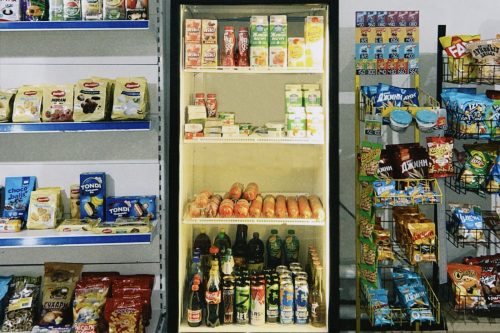
convenience store
In Control First: How Implicit Research Mapped a Convenience Store’s Competitive Landscape
Convenience store markets in dense Asian retail environments are among the most competitive in the region: a small


CASE STUDY
Crossing the Atlantic: How a Five-Platform Pack Testing Study Identified the Right Design for a US Market Launch
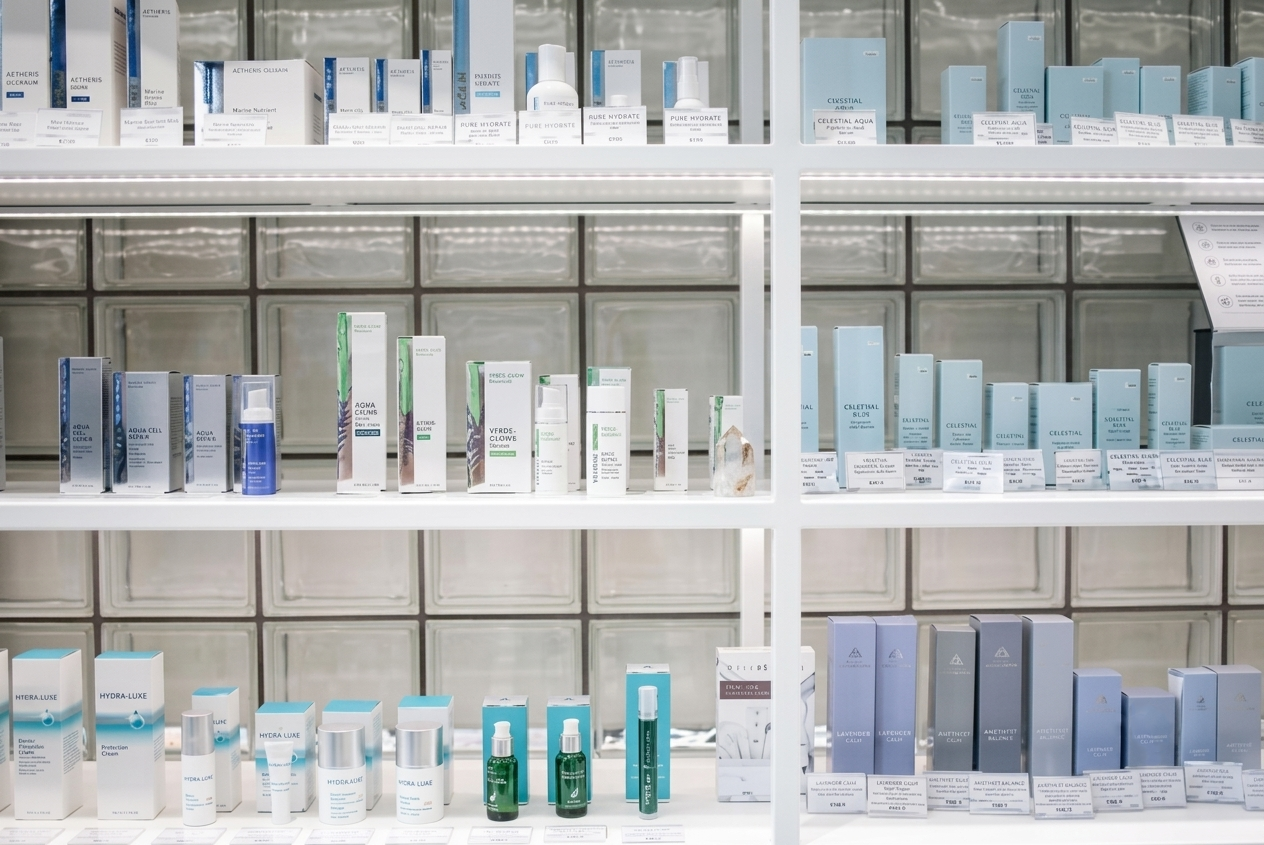
A product that performs well in one market does not automatically translate to another. The visual language of packaging, the colours that signal quality, the fonts that communicate trust, the shapes that feel familiar, the taglines that resonate, all of these are culturally mediated.
Consumers in the US and the UK share a language but not always a visual vocabulary, and in a category as personal and purchase-sensitive as this one, the gap between what works on one side of the Atlantic and what works on the other can be commercially significant.
A pharmaceutical brand with a strong UK track record was preparing to launch a product in the US. Five pack designs had been developed, varying across colour, font, shape, and tagline.
The brief was to identify which of the five performed best across four dimensions: on-shelf impact in a US retail environment, intention to purchase, communication of brand essence, and clarity of product content.
The personal and sensitive nature of the product category added a methodological requirement that shaped the entire research design.
Direct questioning in this category produces socially mediated responses that do not reflect genuine consumer attitudes. An implicit methodology was essential, alongside traditional quantitative measures, to reach the honest subconscious responses that would predict real purchase behaviour.
We deployed five platforms across the project, each addressing a distinct dimension of the brief. The implicit response platform used response latency testing to measure emotional responses, functional associations, and category fit for each of the four pack designs. Response latency, the speed at which a consumer associates an attribute with a stimulus, is an objective measure that bypasses the social filtering that affects direct questioning in sensitive categories.
It captures what the consumer genuinely feels before conscious editing occurs. The attention grab and visual interest platform assessed which packs commanded involuntary visual attention, measuring bottom-up attention capture in a way that reflects the shelf environment where the purchase decision is actually made.
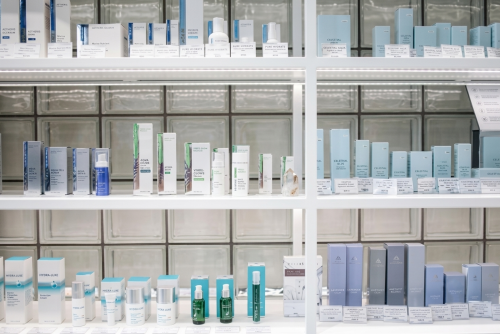
The shelf findability platform placed each pack design within a realistic competitive context, alongside established US category brands, measuring how easily and quickly each design could be located by a consumer searching the shelf.
Findability is a prerequisite for purchase: a pack that cannot be found on shelf cannot be bought. The claims testing platform evaluated which product claims resonated most strongly with non-rejecters of usage in the US market, providing the communications team with evidence-based guidance on which messages to lead with in US marketing materials.
Traditional quantitative survey methods ran alongside all four implicit and behavioural platforms, using a monadic experimental design with a matched sample across all five pack creatives to ensure clean comparative data. The project delivery took 6 weeks.
Design 4 was the consistent highest performer across every measure in the study. That consistency was the most commercially significant aspect of the result.
A pack design that leads on attention but underperforms on purchase intent, or that scores well on brand essence but poorly on shelf findability, presents a strategic dilemma.
Design 4 presented no such dilemma. Its purchase intent scores were high. Its on-shelf visibility in the competitive US shelf context was very good, performing strongly on the findability platform against a realistic set of established US category brands.
It carried the strongest implicit associations with the key product values the brand needed to communicate, and it fit the category appropriately in the consumer’s subconscious assessment. The claims testing added a further layer of commercially useful output. The analysis identified the specific claim types most likely to resonate with non-rejecters of usage in the US market, giving the brand a clear steer on which messages to prioritise in US communications beyond the pack itself.
This study is a useful illustration of why cross-market launches require market-specific consumer research rather than assumption-based translation of existing findings.
The five pack designs were developed with awareness of the differences between UK and US consumer visual expectations in this category. But awareness of difference is not the same as evidence about which specific design choices resolve that difference most effectively.
The implicit and behavioural data provided that evidence, identifying which colour, font, shape, and tagline combination produced the strongest consumer response in the US market context specifically, not in the abstract and not extrapolated from UK findings.
The shelf findability platform was particularly important in this respect. The US personal care and intimacy category shelf is densely populated with strongly branded competitors. A pack that stands out in a UK context may not achieve the same visibility against a different competitive set. Testing findability against actual US category shelf layouts, with real competitor packs in the simulated environment, produced findability data that was genuinely predictive of US retail performance rather than theoretically extrapolated from UK shelf tests.
This study was delivered in six weeks. The same study, run through SSR Platform today, would be completed in three weeks, with all five platforms integrated within SSR Platform infrastructure and a significantly faster path from fieldwork to creative recommendation.
The study can generate a BRAIN model of the US consumer’s implicit relationship with this product category, capturing the emotional and functional associations that drive category acceptance, the visual asset attributes that carry those associations most effectively, and the claims that resonate most strongly with the target audience.
That model feeds into Amethyst AI, which can evaluate future pack iterations, revised claims, new visual assets, or market extension concepts against the established US consumer profile before any further research investment is committed.
Cross-market launches in sensitive categories carry both commercial and regulatory complexity. The research design that served this study addressed both, producing findings that were rigorous enough to inform a regulated product launch and commercially specific enough to guide every creative decision from pack design to US market claims.
If you are planning a cross-market product launch, working in a sensitive or regulated category, or need to evaluate packaging across multiple dimensions simultaneously, we would welcome a conversation about how SSR Platform multi-platform approach can support that work. Contact us here.
Convenience store markets in dense Asian retail environments are among the most competitive in the region: a small
Sponsorship ROI is one of the most contested measurement challenges in marketing. When a brand invests in the
A product that performs well in one market does not automatically translate to another. The visual language of packaging, the colours that signal quality, the