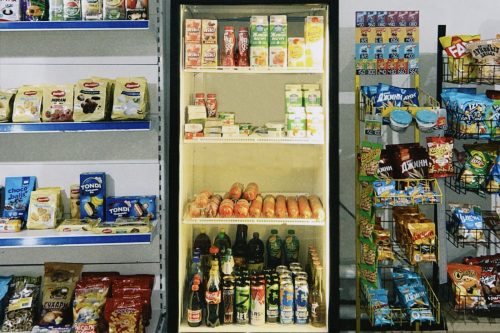
In Control First: How Implicit Research Mapped a Convenience Store’s Competitive Landscape
Convenience store markets in dense Asian retail environments are among the most competitive in the region: a small


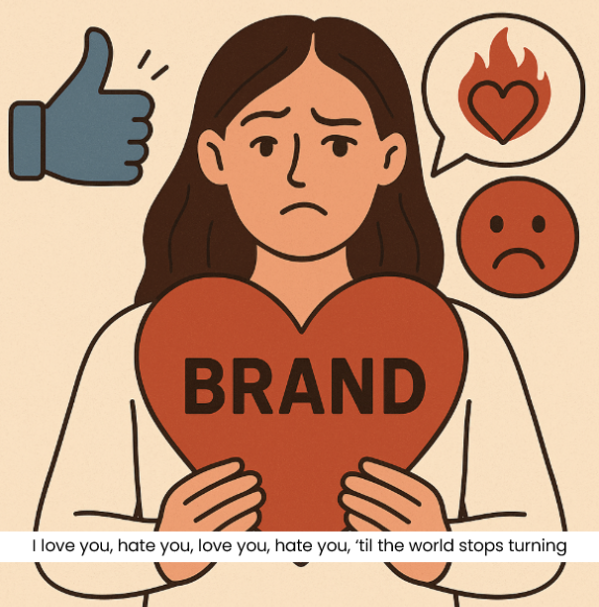
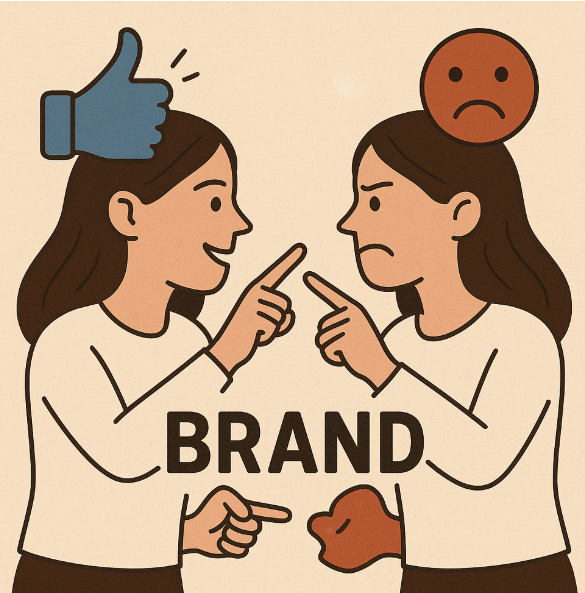
Psychologists have long suspected that the human mind can be home to some awkward roommates - two attitudes toward the same thing that can’t quite agree. We call this ambivalence, and it shows up everywhere: from politics to pudding, from friendships to public figures.
Convenience store markets in dense Asian retail environments are among the most competitive in the region: a small
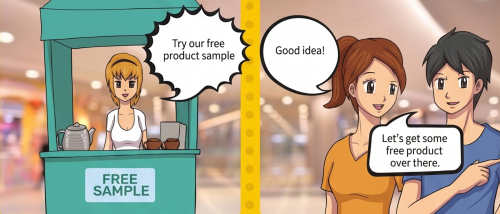
Six years ago we created a comic strip about a couple trying a free product sample at a shopping centre. At the
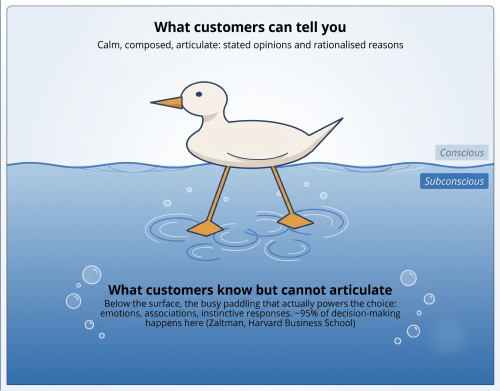
Every year, thousands of new products launch on the back of research that said they would succeed. Concept tests came back positive. Focus groups nodded along. Survey respondents said,