
CASE STUDY

Building premium perception for a Western beer brand in China

china beers

The Challenge

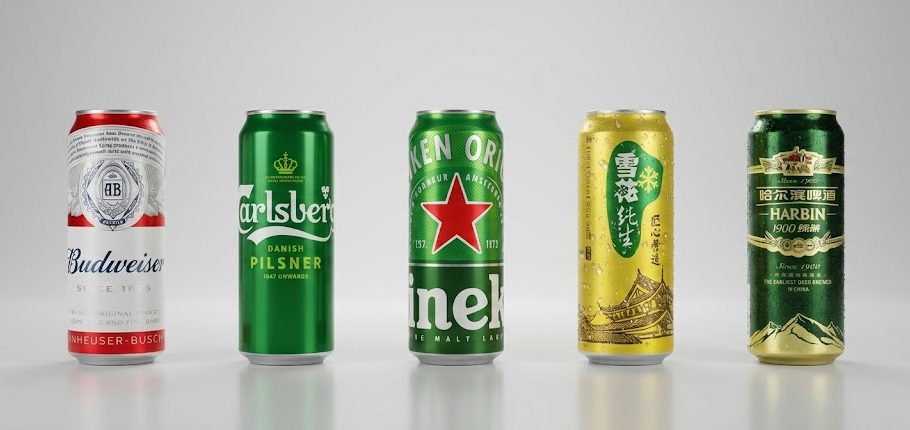
In China’s beer market, two important features shape premium positioning: local expectations and brand heritage. The client wanted to understand how their Western beer brand was being perceived in the bottled and canned category, where the two dominant Chinese brands are Harbin ad Snow.

Focusing on packaging, we needed to find out which aspects were reinforcing a premium image, and which elements were preventing this. The goal was to find where the brand could make small, targeted changes to have the greatest impact on the shelf.

The Solution

Split Second Research evaluated twelve beers (six bottled and six canned) across Shanghai, Chongqing and Tianjin to understand different regional perspectives.

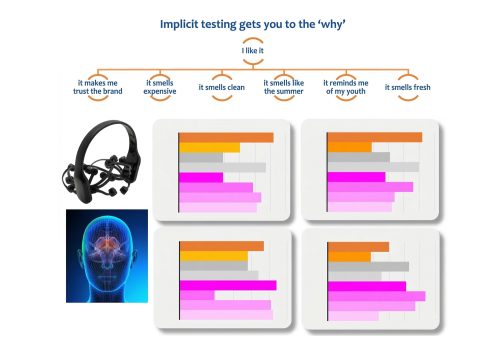
We carried out implicit testing (IMPRESS) to assess brand associations and then looked at individual visual assets for their emotional impact, ability to attract attention and overall visual appeal.

This allowed us to not just understand general preference but identify the visual cues that contribute to premium perception in this market. 

The Outcomes

At a conscious level, the client’s Western brand performed well. Chinese consumers spoke positively about it and associated it with quality.

At an implicit level, however, the strongest emotional responses were directed towards the local Chinese brands. Some elements of the client’s packaging were found to feel overly complex, leading to confusion and limiting their ability to generate positive emotional reactions.

Clear contrasts also emerged between the two Chinese competitors. One brand performed strongly on attention and visual appeal. The other relied on a pagoda symbol, which consumers responded to negatively. This could be because the pagoda is familiar and unremarkable in China, so although this asset may be valuable in export markets, it might be weakening the brand’s positioning in China.

These insights gave the client clear guidance on which visual elements to simplify, which to emphasise, and which cues are most closely linked to premiumness in the Chinese beer category.

In this case, relying only on traditional research would have suggested the American brand was performing well without identifying the subconscious aspects that were causing confusion or friction.

FROM THE CLIENT

Client Feedback

Overall the findings of Qual [a partner agency] and Quant [Split Second Research] are pretty aligned in terms of indicating the priorities for improvements. Marketing team will be circulating the findings internally with senior figures and deciding on the next steps in design work.

The findings from the attentional measures have been a great support to our Qual findings in terms of key assets we should keep or deprioritize. The findings from IMPLICIT/EXPLICIT have also been very helpful to validate our hypothesis and recommendations on the design direction we could pursue in building premiumness. Neuro network analysis is a great addition and inspired thoughts at our side, and I would definitely want to try this kind of analysis in future work.

If you’d like to understand how this approach can be applied to your own challenge, get in touch with one of our market research experts, here.

Case Studies

Scroll to Top