CASE STUDY

Finding the Right Fit: Why Brand and Partner match matters

celebrity tv partner match

The Challenge

Picking the right partner for a brand, whether that’s a celebrity or a sponsor, is harder than it looks. High profile and well-liked doesn’t automatically mean the right fit, and a mismatch can do real damage to a brand even when it’s not immediately obvious why.

Two clients came to us with versions of the same problem: one needed to choose between two celebrities to represent their brand, the other was a TV programme trying to identify the best sponsor from four major brands.

In both cases the real question wasn’t who people liked more. It was who actually belonged together.

The Solution

We started by building an implicit profile of each brand, using our Implicit Matching Test to map the attributes that drive purchase decisions at a subconscious level, things like trust, quality, emotional connection, and social influence.

We then built the same kind of profile for each potential partner. From there, we used a Manhattan Distance metric to calculate how closely each celebrity or sponsor mapped onto the brand’s profile: the smaller the distance, the stronger the fit.

We ran explicit forced-choice questions alongside this, which let us compare what people said with what the implicit data was showing. Sometimes they lined up. Sometimes they didn’t.

The Outcomes

Celebrity endorsement

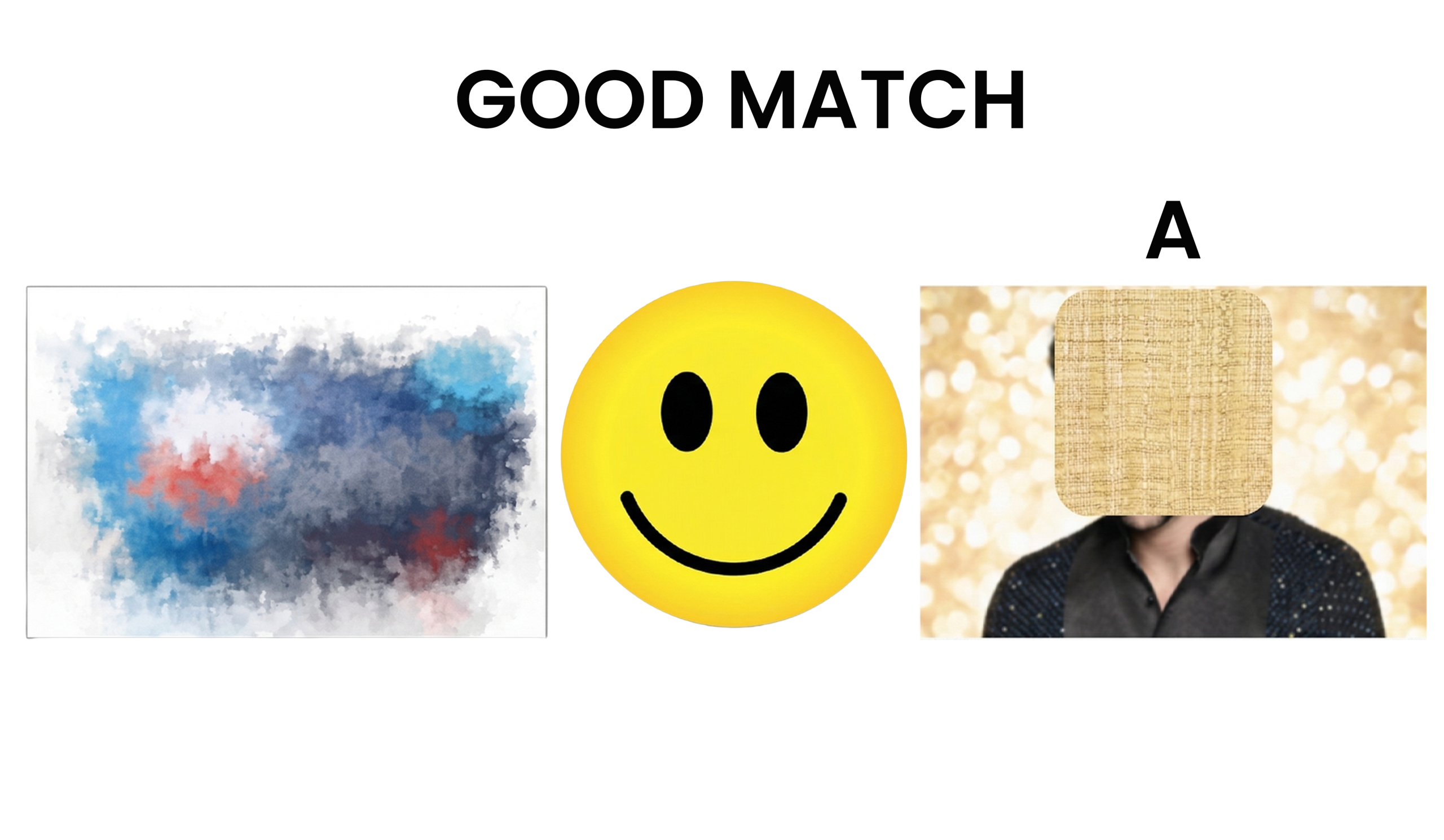
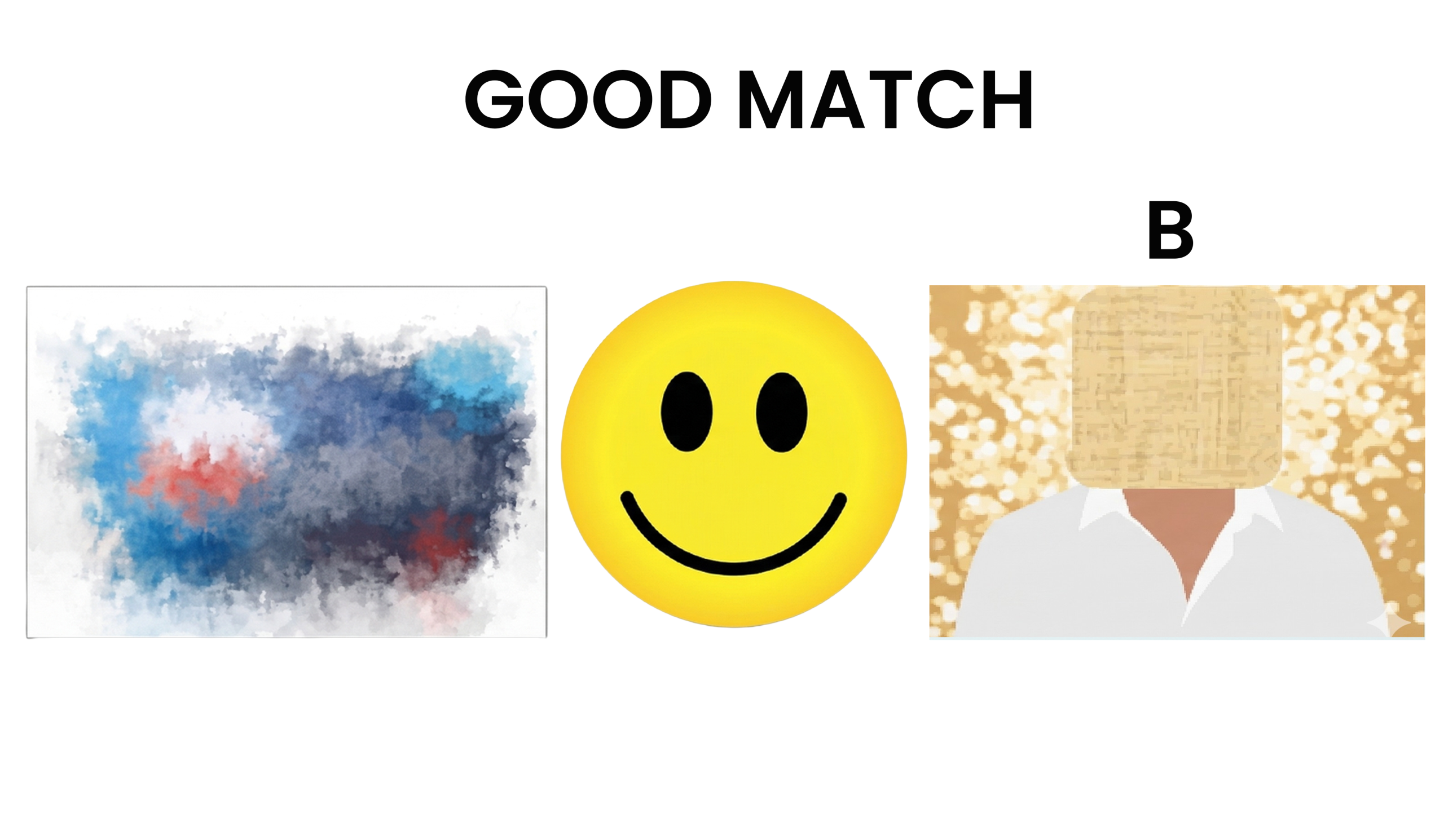
Both celebrities were credible options. Explicit ratings put Celebrity B about 10 percentage points ahead of Celebrity A, but that number on its own didn’t explain much.

The implicit data did. Both celebrities scored similarly on emotional connection and social influence. The difference was trust, as Celebrity B had a noticeably stronger association with the brand on that dimension, and trust is one of the factors that shapes how an endorsement lands over time, not just in the moment.

Celebrity B was the right choice, and the implicit data made clear why.

This potentially a good celebrity endorsement. Medium benefits, low risk

TV programme sponsorship

Four major brands were assessed as potential sponsors for a popular TV programme. We built an implicit profile of the programme across five dimensions including emotional response, purchase triggers, quality, social influence, and trust, and then computed the Manhattan Distance between that profile and each brand’s.

Two brands stood out. Churchill connected strongly on an emotional level. Confused.com connected more strongly on trust. Both were genuinely good matches, just for different reasons. Knowing that distinction matters, because the right sponsor shapes how audiences experience the programme.

Asking people which celebrity they prefer or which brand feels right will get you an answer, but it won’t always get you the right one.

By profiling both sides of a potential partnership and measuring the distance between them, the implicit work revealed what was driving compatibility, the associations and feelings that people don’t tend to put into words but that determine whether a partnership works in practice. That’s the part that’s easy to miss, and the part that tends to matter most.

If you’d like to understand how this approach can be applied to your own challenge, get in touch with one of our market research experts, here.

Case Studies

celebrity tv partner match
Celebrity & TV Sponsorship Fit

Finding the Right Fit: Why Brand and Partner match matters

Picking the right partner for a brand, whether that’s a celebrity or a sponsor, is harder than it looks. High profile and well-liked doesn’t automatically mean the right fit, and a mismatch can do real damage to a brand even when it’s not immediately obvious why.
Two clients came to us with versions of


Read More
Scroll to Top