In Control First: How Implicit Research Mapped a Convenience Store’s Competitive Landscape
Convenience store markets in dense Asian retail environments are among the most competitive in the region: a small
CASE STUDY
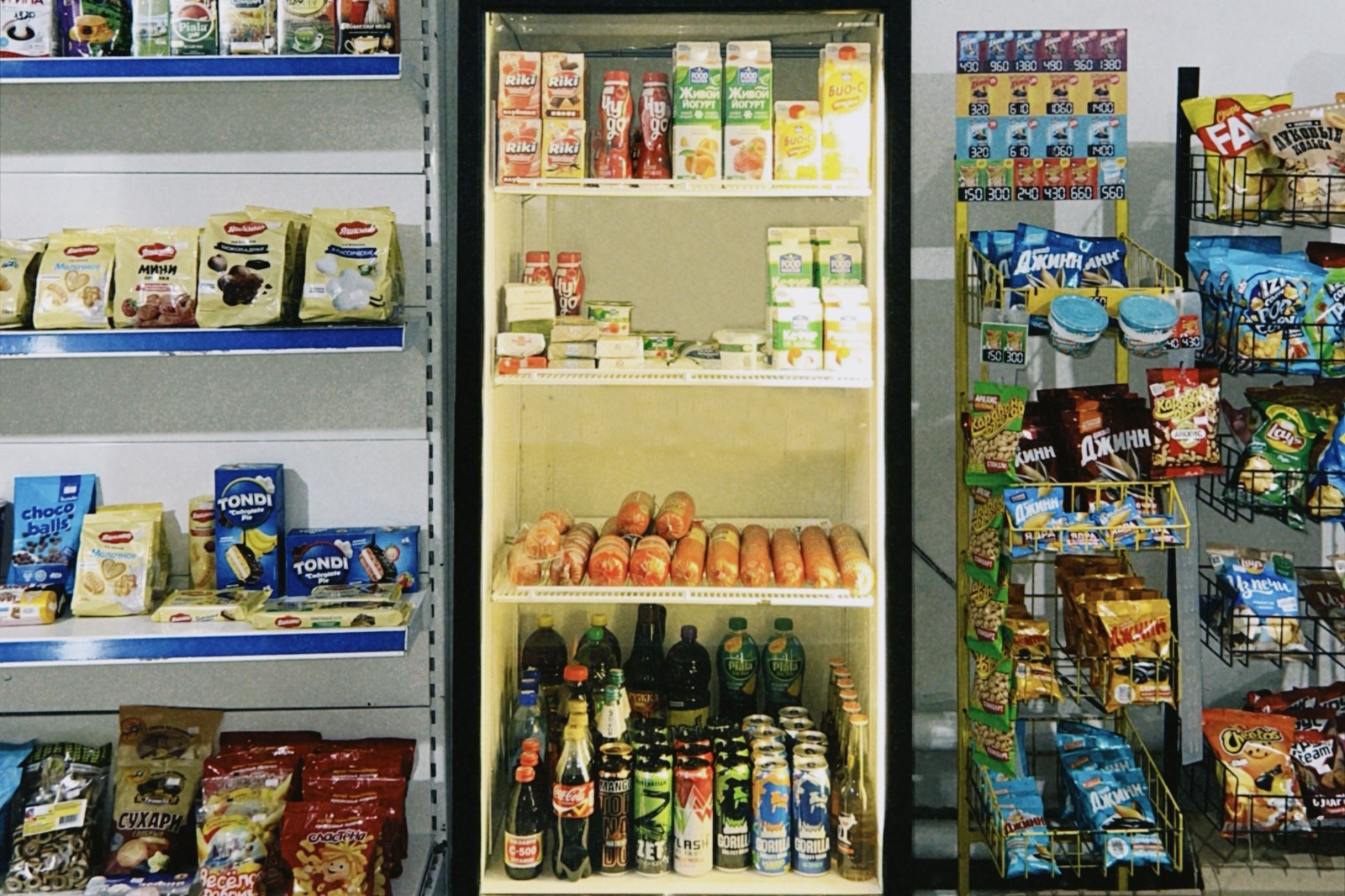
Convenience store markets in dense Asian retail environments are among the most competitive in the region: a small number of major chains dominating footfall, a longer tail of challenger brands competing on value and promotional intensity. For any brand operating in this kind of environment, understanding what consumers actually feel about a store at the subconscious level, and which functional attributes drive that feeling, is the foundation of communications and product decisions that produce measurable results.
The study below is a representative example of the kind of insight implicit research can surface in this category.
The most strategically significant finding was a clear, sequential emotional pathway in convenience shopping, beginning with In Control.
Feeling In Control directly promotes Enjoyment and Excitement. Those feelings in turn promote Power and Connectedness. The implication is precise and commercially important: the emotional satisfaction of convenience shopping doesn’t begin with pleasure or excitement. It begins with the feeling of efficient, frictionless control over a transaction that delivers exactly what was needed. Pleasure and connection follow as a consequence of that control, not as independent drivers.
Brand communications designed to lead with joy, excitement, or community, without first establishing the operational credibility that generates the In Control feeling, work against the natural emotional flow of the category. Reliability, speed, and findability aren’t merely hygiene factors, they’re the emotional prerequisites for everything else.
The attributes that activated most strongly across the study were comforted, secure, relaxed, energised, practical, and efficient. A shopper who leaves the store with exactly what she needed, having paid quickly and easily, feels a genuinely positive emotional state, one of quiet mastery and personal effectiveness. That’s the experience any brand in this category needs to protect and amplify.
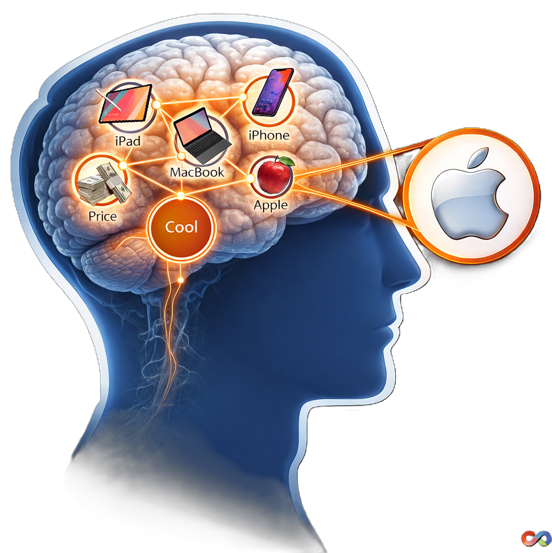
A study of this kind, run through Deeplight, generates a BRAIN model of a category’s shoppers across all segments, brands, occasions, and functional attributes. That model feeds into Amethyst, which can evaluate future promotional campaigns, new product introductions, food range developments, store format changes, or loyalty programme initiatives against established implicit emotional profiles before any investment in execution, catching, for example, a campaign that resonates with one segment but undermines the In Control associations that matter most to another, before it goes live. Correcting course at that stage costs a fraction of what it costs to reverse a decision after launch.
The emotional pathway in convenience shopping is clearly defined. In Control is where it starts. The brand that owns that feeling, across every segment, every occasion, and every competitive interaction, owns the category.
If you work in convenience retail, FMCG, or any high-frequency transaction retail environment in Asia or globally, and want to understand the implicit emotional landscape of your competitive set, we would welcome a conversation.
No spam. Your details are confidential.
Please call:
+44 20 4534 7458
Please dial all digits from anywhere in the world, including the UK
London address:
1 Kingdom Street, Paddington, London, W2 6BD

Convenience store markets in dense Asian retail environments are among the most competitive in the region: a small

Sponsorship ROI is one of the most contested measurement challenges in marketing. When a brand invests in the
A product that performs well in one market does not automatically translate to another. The visual language of packaging, the colours that signal quality, the