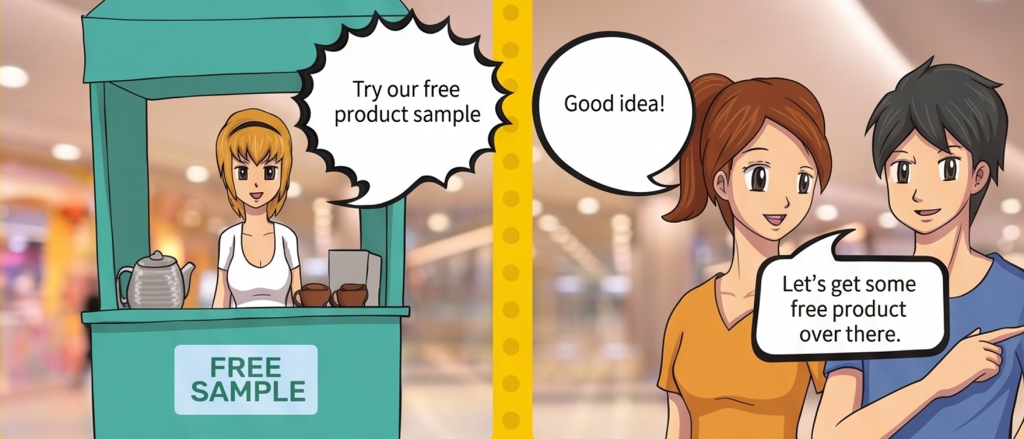
The Free Sample Trap: Why On-the-Spot Feedback Tells You What People Think You Want to Hear
Six years ago we created a comic strip about a couple trying a free product sample at a shopping centre. At the

This category would feature blog posts written by our team of experts, covering various topics related to market research, business, and marketing.
Six years ago we created a comic strip about a couple trying a free product sample at a shopping centre. At the
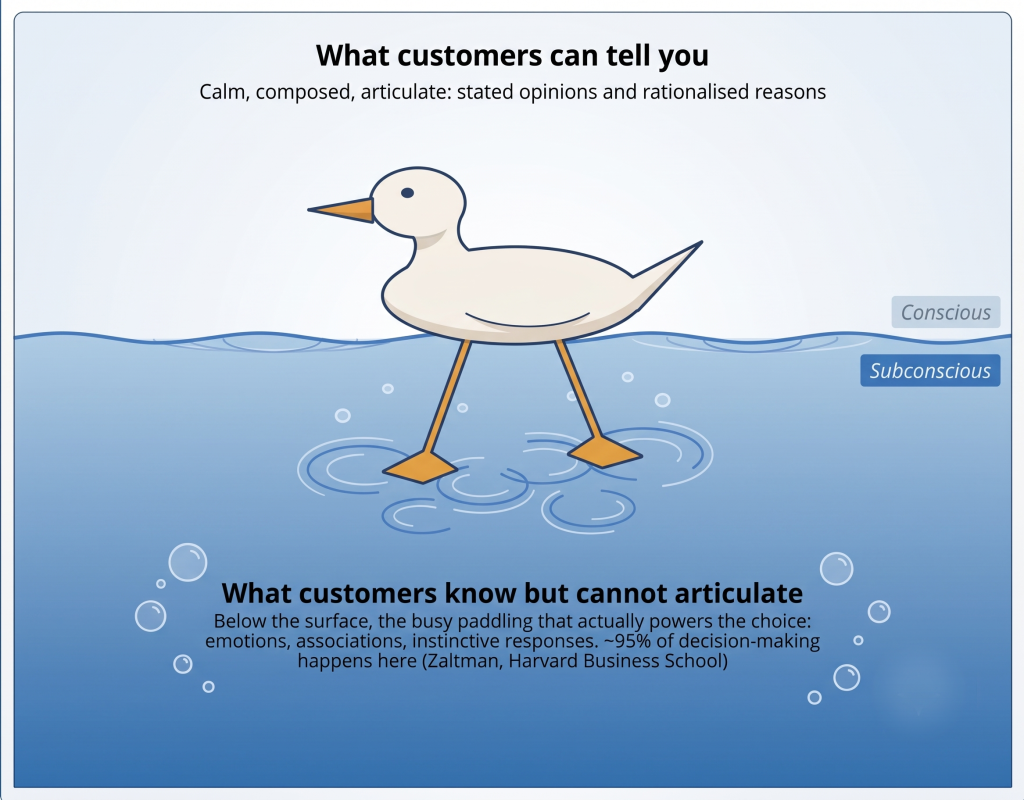
Every year, thousands of new products launch on the back of research that said they would succeed. Concept tests came back positive. Focus groups nodded along. Survey respondents said,
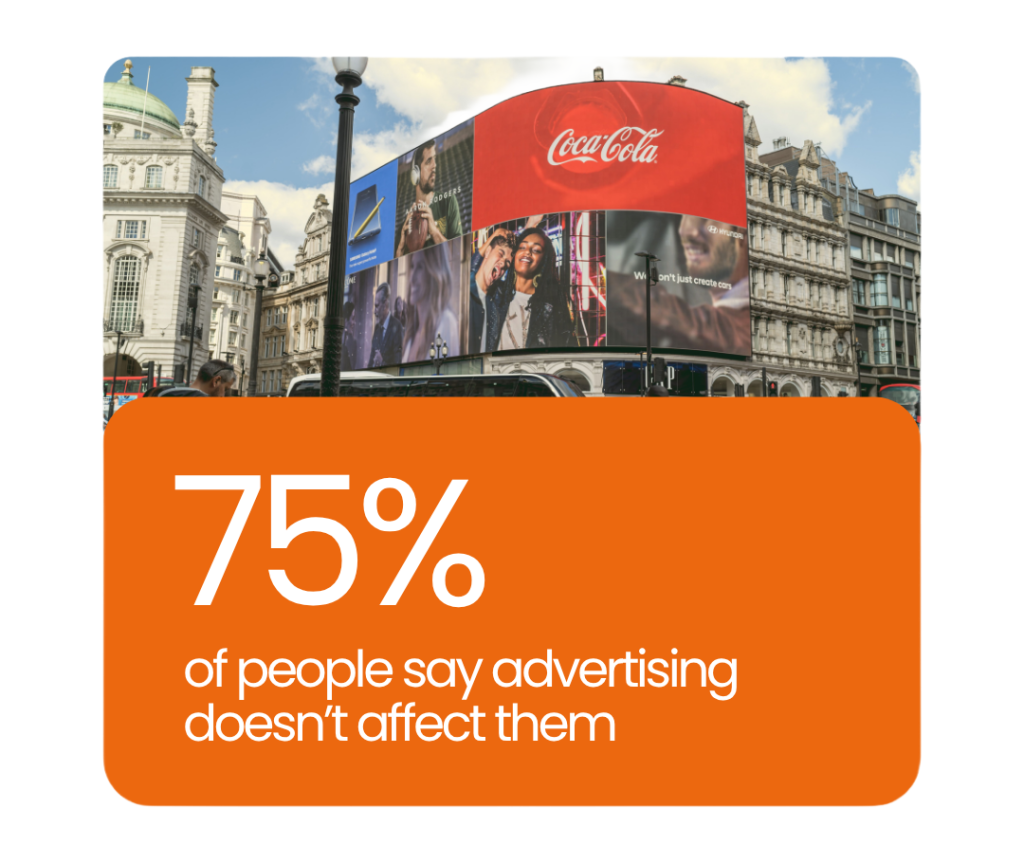
75% of people asked to rate an ad, claim advertising doesn’t affect them.
So what exactly are they rating? And why are we
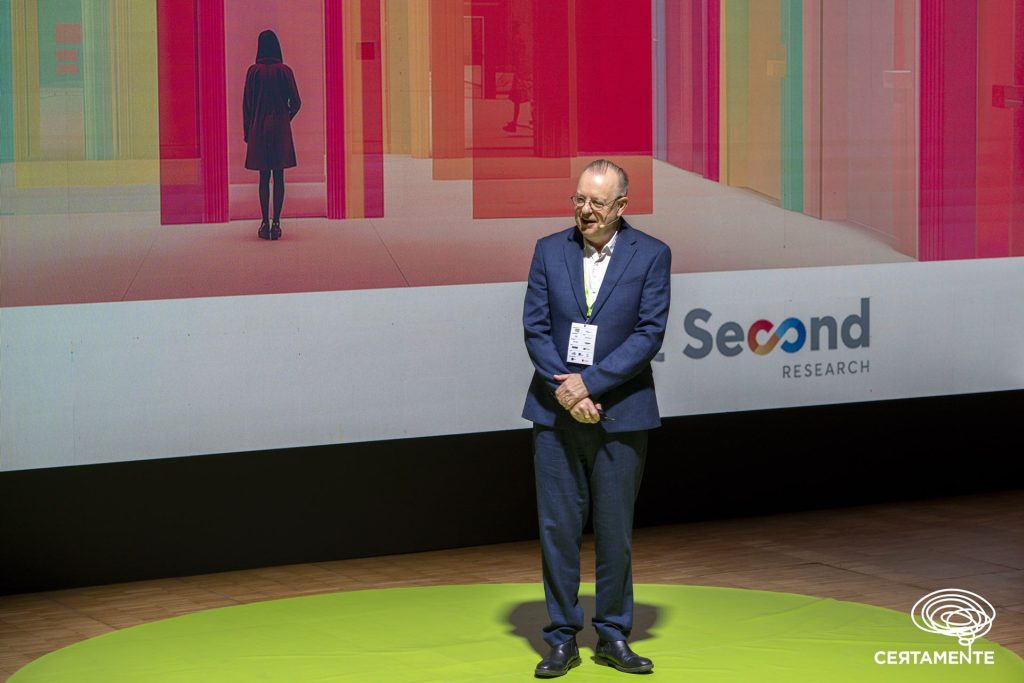
Back in October 2025, our CEO and Co-Founder Dr. Eamon Fulcher spoke at CERTAMENTE, the Italian neuromarketing conference that’s become one of the more respected fixtures in the international calendar. It draws researchers, industry leaders, and behavioural scientists from
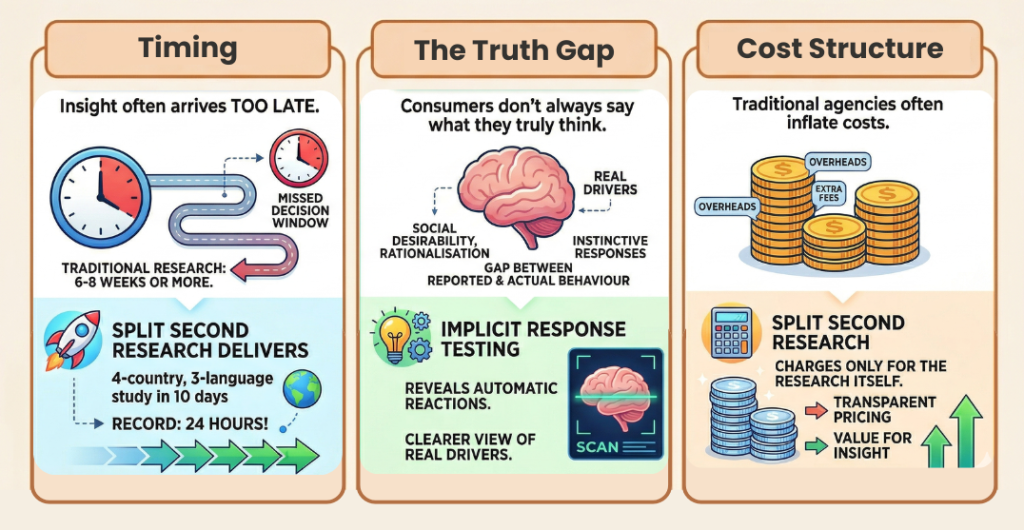
When people answer survey questions, their responses are influenced by many factors: social desirability, rationalisation, or simply the difficulty of articulating instinctive reactions. As a
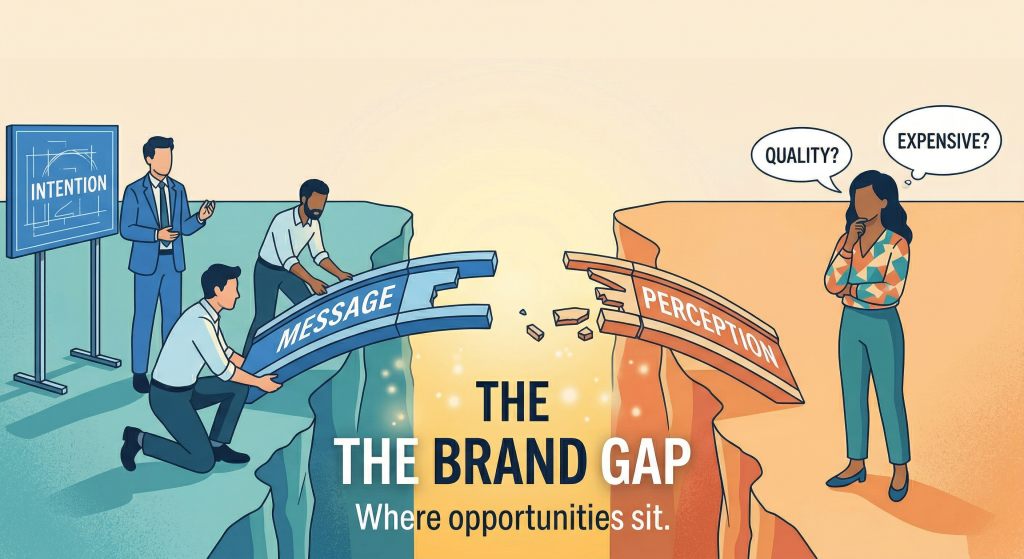
There’s a gap in most markets that doesn’t show up in product specs or competitive audits. It lives in the consumer’s mind, and it is the space between what people are looking for from a brand and what they actually perceive the brands around them to deliver.
That gap is called a brand gap, and finding it is
We are pleased to announce a strategic partnership between Split Second Research (UK) and On-Target Marketing Solutions for Asia-Pacific.
Dr. Salim Khubchandani, who leads On-Target Marketing Solutions
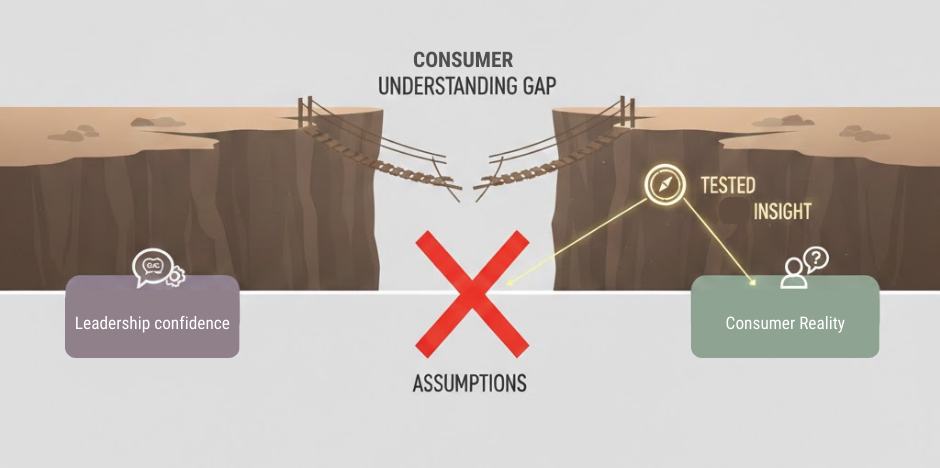
We talk a lot about the consumer truth gap, which is the gap between what people say they are going to do and how
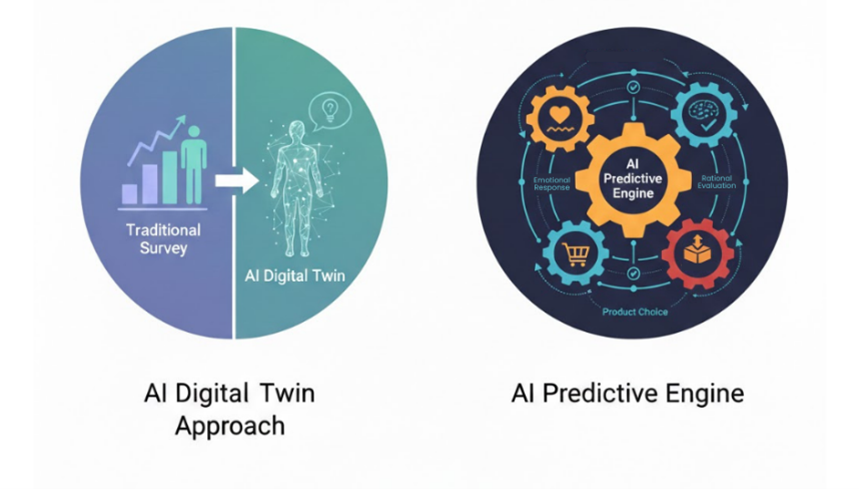
Many of our clients have built up a rich body of research over time. A common question we hear is how to get more value from that existing data, rather than constantly running new studies. One of our current priorities is helping clients do exactly that. As part of this, we’re introducing a small number …
AI-assisted predictive modelling at Split Second Research Read More »
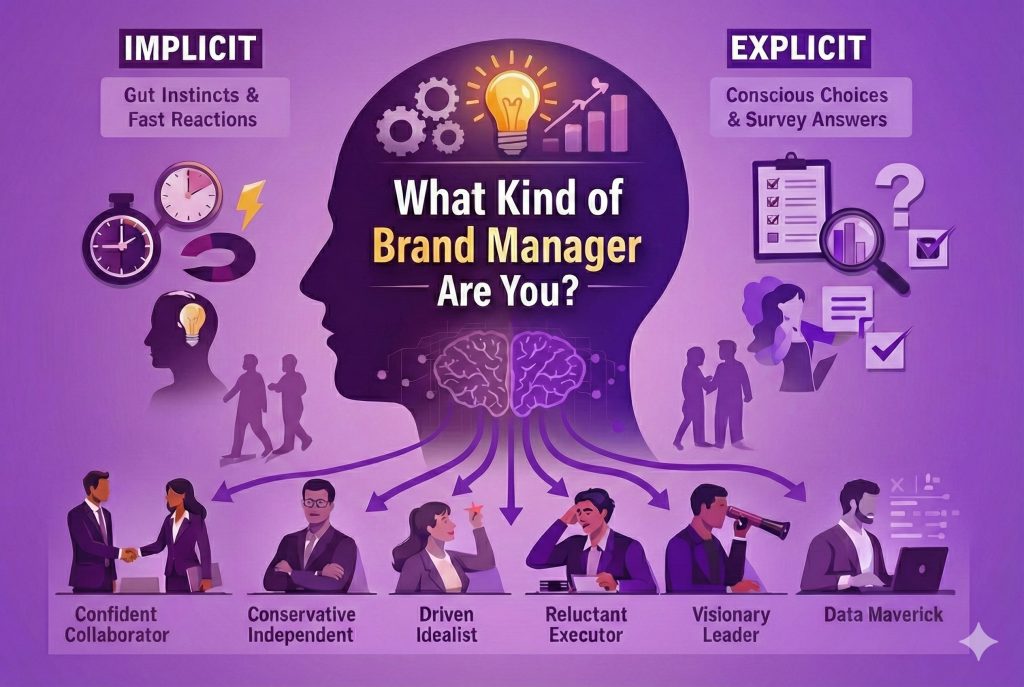
If you’re a brand manager, you may plan carefully, but a lot of how you work day to day probably comes down to habit and instinct. We’ve just launched a new quiz “What Kind of Brand Manager Are You?”. It’s for brand managers who want a clearer picture of how they tend to think, …