Bring consumer
neuroscience to your
branding
Our brand positioning and brand equity technology will identify your strengths and weaknesses in the market.
Brand Positioning
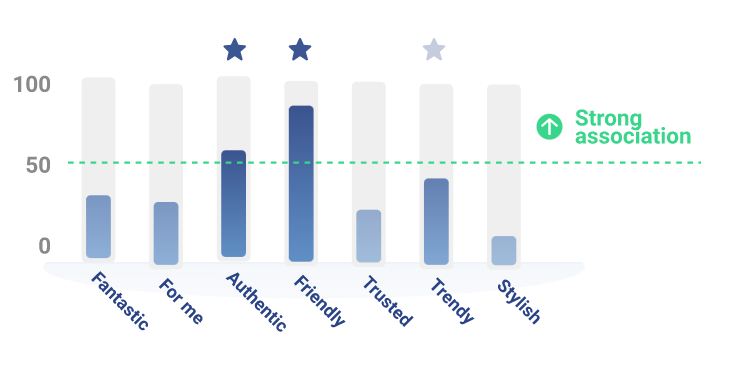
With implicit testing you can identify which attributes, features, and occasions consumers associate with a brand and the same for its competitors. This can also be used to reveal the brand’s strengths, weaknesses, the opportunities and the threats from the competition.
Genuine SWOT Analysis
By conducting a brand positioning SWOT Analysis based on implicit (objective / emotional) and explicit (subjective / rational) research data, brand managers can create strategies that will differentiate its brand from competitors, finding its natural place in the market and help its growth.
Brand Equity
We use implicit (objective/fast response) and explicit (subjective/slow response) tests for brand equity analysis. This helps us understand how consumers perceive the values of a brand. They measure the consumers’ subconscious ‘chatter’ and their conscious deliberations. This kind of research offers insights that will help brand managers change the perception of the brand in desirable ways.
Brand Positioning
We also use brand positioning tests to understand how a brand sits in the market against its competitors. They involve identifying how consumers perceive the brand in terms of how it is different from other brands in the category. What are its unique selling points (USPs) from that of its competitors? How does its persona or the brand’s proposition differentiate itself from its competitors? How can the brand become ‘top of mind’?
Brand Tracking
Brand managers can track how their brand is perceived over time and during certain key periods. They can find out whether specific events have changed the perception of their brand or whether there are seasonal effects. We can compute an overall brand index and use this to compare brands in the market category.
Great things can happen in a split-second
Start A Conversation
Complete an enquiry form to arrange a meeting with us:
Our blog

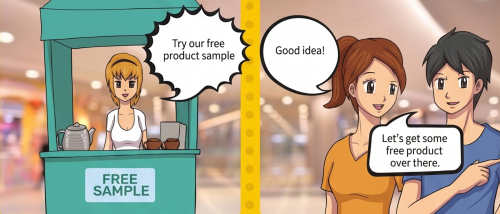
The Free Sample Trap: Why On-the-Spot Feedback Tells You What People Think You Want to Hear
Six years ago we created a comic strip about a couple trying a free product sample at a shopping centre. At the

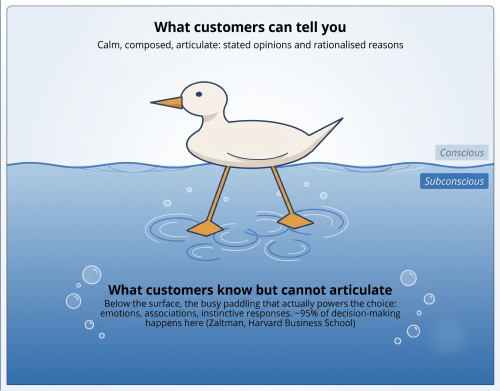
Your Customers Know More Than They Can Tell You
Every year, thousands of new products launch on the back of research that said they would succeed. Concept tests came back positive. Focus groups nodded along. Survey respondents said,
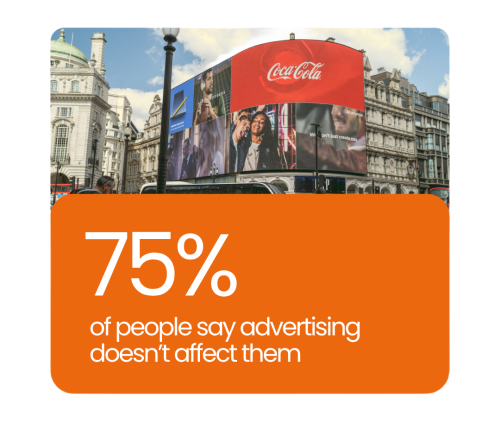
You think ads don’t work on you. That’s exactly the problem.
75% of people asked to rate an ad, claim advertising doesn’t affect them.
So what exactly are they rating? And why are we