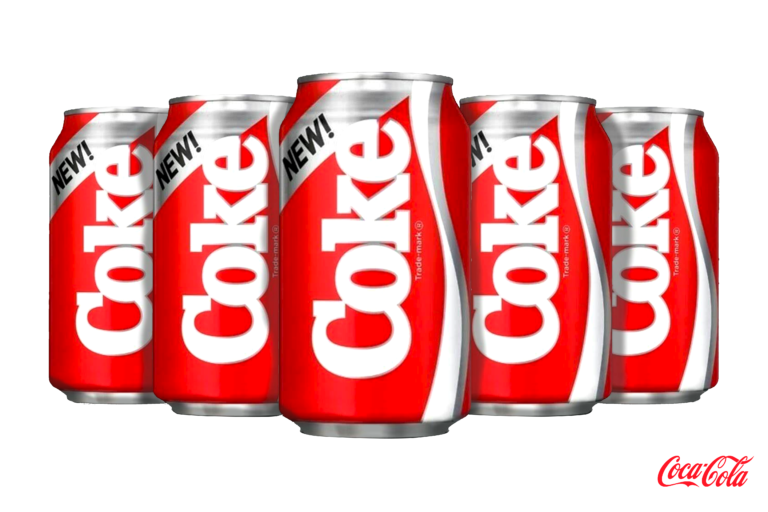
New Coke
In 1985, Coca-Cola introduced a new formula for its flagship product, which was met with widespread backlash from consumers. The new packaging design was intended to reflect the updated formula, but ultimately confused consumers and failed to win them over.

Tropicana
In 2009, Tropicana decided to take a risk and redesigned their packaging for their most popular product. Unfortunately, the new design was viewed as generic and uninspiring, and became almost invisible to its regular customers. Tropicana had diverted too far from their original packaging, confusing the existing customer base. The brand ultimately reverted back to their original packaging design - at a significant cost.

Crystal Pepsi
In 1992, Pepsi introduced a clear version of its cola product, which was packaged in a transparent can. However, the packaging did not successfully communicate its contents. Consumers were skeptical of the unusual appearance and unclear about the flavour profile.
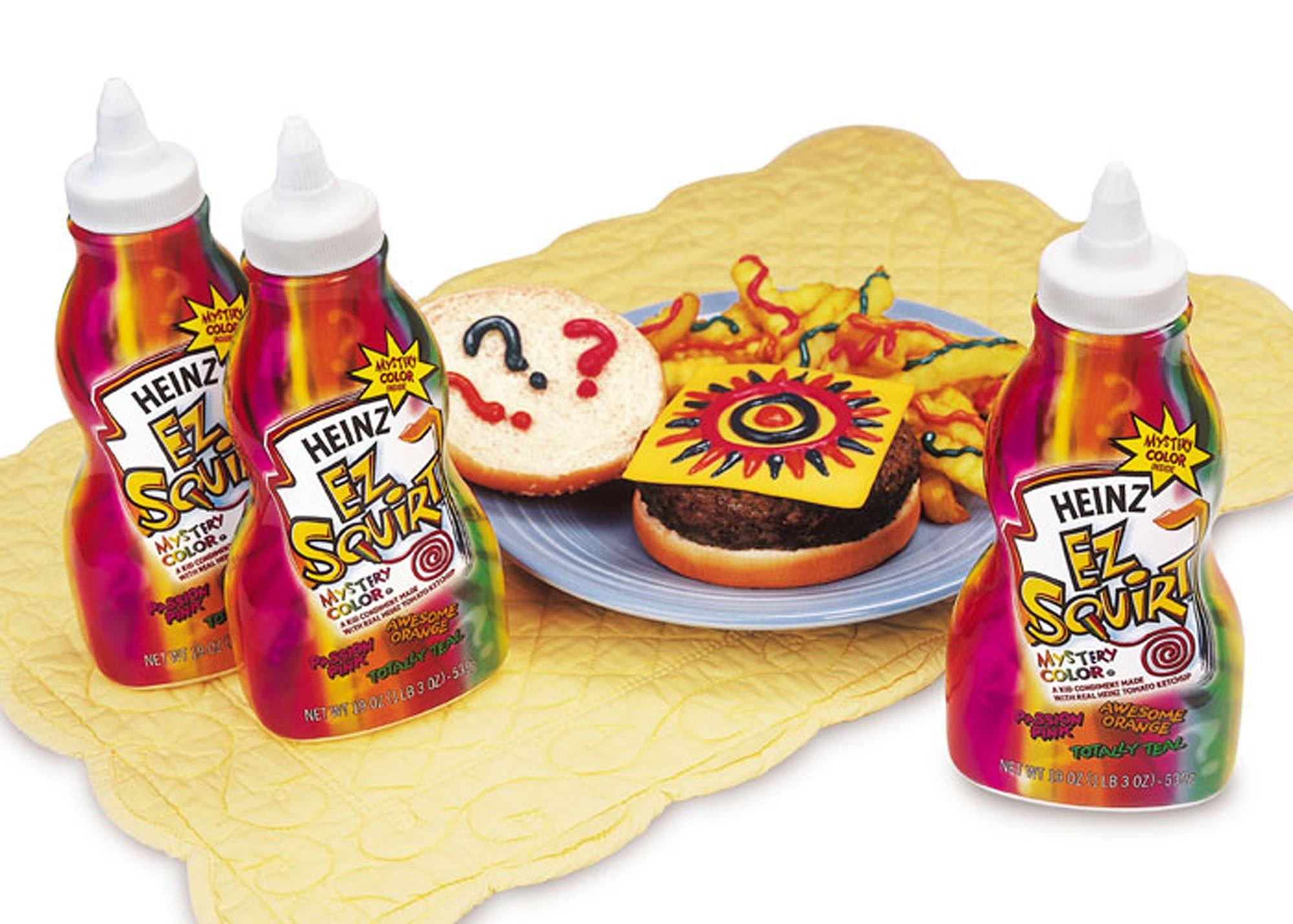
Heinz EZ Squirt
In the early 2000s, Heinz introduced a line of ketchup products in brightly coloured packaging, which was marketed to kids. While the packaging design was eye-catching, the product was ultimately unsuccessful and discontinued. The packaging was confusing, the colours were unappetising for a food product, and the contents was too unclear.

McDonald's Arch Deluxe
In 1996, McDonald's introduced the Arch Deluxe, a burger marketed to adults with a more upscale packaging design. The product failed to resonate with consumers and was eventually discontinued. Perhaps their target audience were less interested in an upscale burger or the packaging did not resonate with McDonald's brand identity.

Bic for Her
In 2012, Bic released a line of pens marketed specifically to women, with packaging that featured pastel colours and a slim design. The product was met with widespread criticism and ridicule for its patronising marketing and unnecessary gendering of a simple writing tool. This design was incredibly uninformed and sparked anger and outrage by some. If Bic had carried out implicit market research for this idea - the results would have been very interesting (and likely very conclusive!).
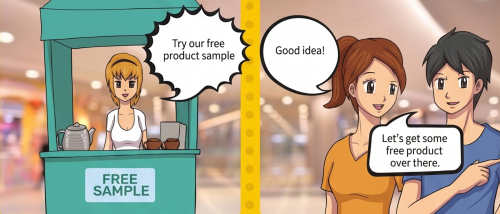
The Free Sample Trap: Why On-the-Spot Feedback Tells You What People Think You Want to Hear
Six years ago we created a comic strip about a couple trying a free product sample at a shopping centre. At the

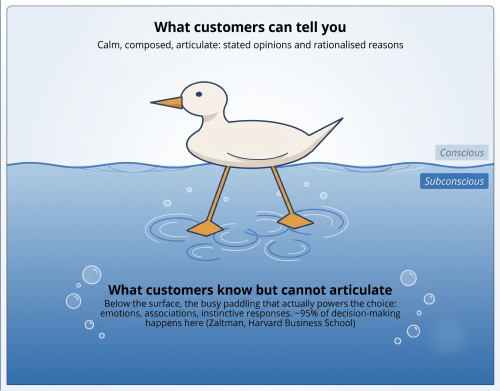
Your Customers Know More Than They Can Tell You
Every year, thousands of new products launch on the back of research that said they would succeed. Concept tests came back positive. Focus groups nodded along. Survey respondents said,
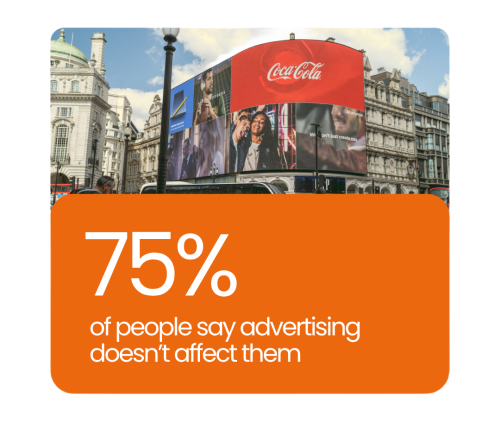
You think ads don’t work on you. That’s exactly the problem.
75% of people asked to rate an ad, claim advertising doesn’t affect them.
So what exactly are they rating? And why are we