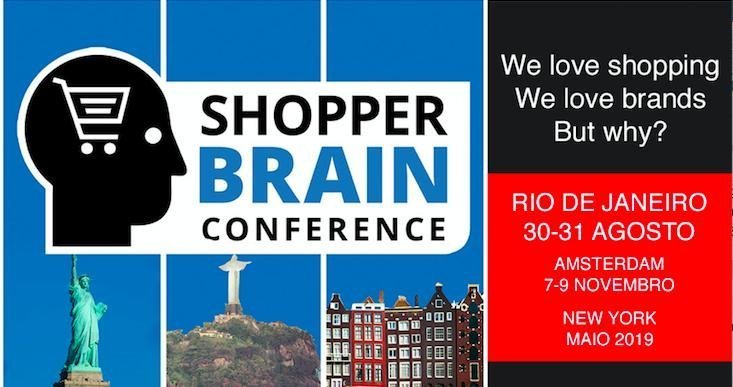
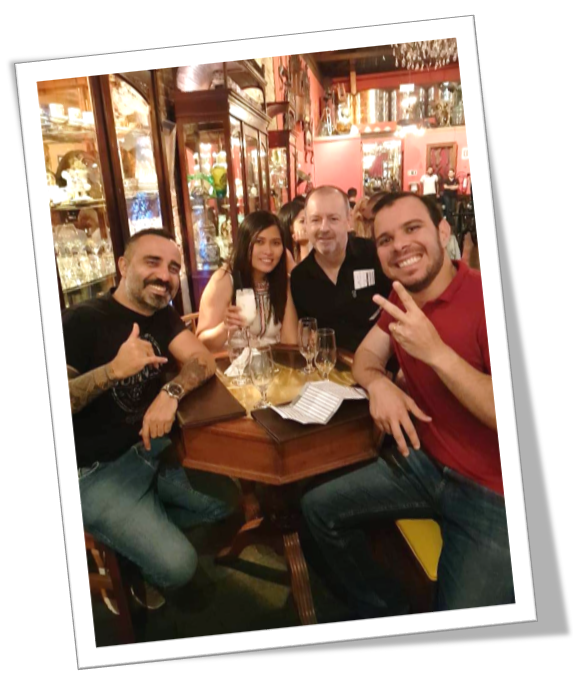
Geraldine, Thaigo, and Eamon taking in the views at the Shopper Brain Conference, Rio de Janeiro, Brazil, July 2018.
Eamon gave a talk on the use of implicit reaction time testing and pricing, especially consumers’ perception of offers and promotions.
Implicit reaction time tests can be used to understand the effect a promotional mechanism can have on both brand equity and intention to make a purchase. Split Second Research has now cnducted many of these kinds of studies and results are nearly always surprising. Although promotions and offers can increase short-term sales, they can have negative long-term effects on the brand, particularly by impacting brand equity. Our studies reveal that brand managers need to know which kind of promotion would work best for its brand because there are no general rules that apply within and between categories.
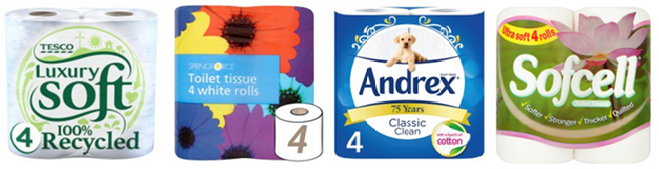
The talk focussed on pricing promotions and a case study on basic and luxury brands of toilet tissue. We identified Tesco’s best stratgey for pricing its two products in this category.
See an overview of the conference here
For more case studies visit Eamon’s post on Linkedin.
Taking time out for some fun 🙂
Latest Posts
Join Our Newsletter
Subscribe to our email newsletter to keep up to date with our latest insights, news, and findings on market research, implicit testing and our occasional psychological ‘neuro-nuggets’ of wisdom.
Our blog

CERTAMENTE Milan: The Queen’s Reading Room Study on an International Stage
Back in October 2025, our CEO and Co-Founder Dr. Eamon Fulcher spoke at CERTAMENTE, the Italian neuromarketing conference that’s become one of the more respected fixtures in the international calendar. It draws researchers, industry leaders, and behavioural scientists from

The Three Pain Points of Commissioning Market Research
When people answer survey questions, their responses are influenced by many factors: social desirability, rationalisation, or simply the difficulty of articulating instinctive reactions. As a

Explaining the Brand Gap
There’s a gap in most markets that doesn’t show up in product specs or competitive audits. It lives in the consumer’s mind, and it is the space between what people are looking for from a brand and what they actually perceive the brands around them to deliver.
That gap is called a brand gap, and finding it is